
Global Stock Market Updates: Navigating International Trends Today
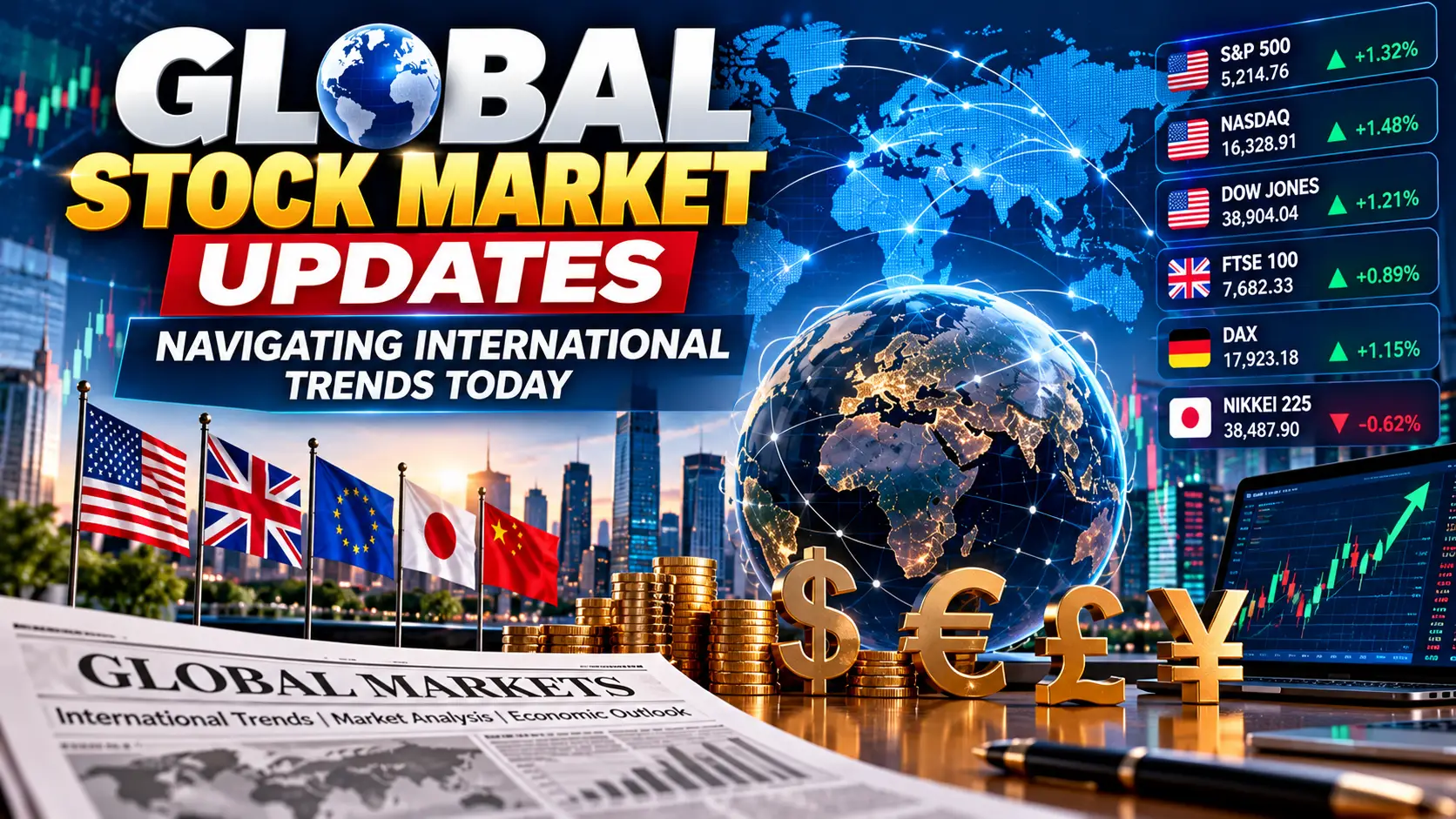
The international stock market continues to experience dynamic shifts as investors closely monitor global economic indicators, inflation data, and central bank policies. Understanding these cross-border trends is essential for anyone looking to navigate the complexities of modern finance. Global stock markets are constantly changing as investors respond to economic developments, political events, and financial news. Major indexes such as the S&P 500, Dow Jones, FTSE 100, and Nikkei 225 reflect trends across international markets. Interest rate decisions, inflation reports, and corporate earnings play important roles in shaping investor confidence. Meanwhile, developments in artificial intelligence, technology, and energy continue to influence global investment opportunities. Trade tensions and currency fluctuations can also create market uncertainty. Staying informed about international stock market trends helps investors understand economic conditions, identify opportunities, and make smarter financial decisions.
Key Drivers in Global Markets
Several key factors influence global financial markets and shape investor confidence and economic growth. Central bank interest rates, especially those set by the US Federal Reserve, play a major role in stock market movements. Inflation, employment figures, and economic growth also affect investment decisions. Political tensions, international trade policies, and global conflicts can create uncertainty and market volatility. Meanwhile, technological advancements, particularly artificial intelligence, continue to attract investors worldwide. Oil prices and currency fluctuations also influence global trading activity. Understanding these key drivers helps investors recognize market trends, manage risks, and make informed financial decisions.
Note: Specific daily index movements and exact percentage changes require verification against real-time financial data feeds before publication.*
What Investors Should Watch
As market conditions evolve, maintaining a diversified portfolio remains a core strategy for long-term participants. Watching sector-specific performance—particularly in technology, energy, and finance—can provide deeper insights into where capital is flowing globally. Furthermore, upcoming trade reports and employment data releases are expected to set the tone for the upcoming trading sessions. Ultimately, staying informed through reliable market updates helps investors make calculated decisions in a fast-paced economic environment. Always consult with a licensed financial advisor before making significant investment choices based on international market trends.
Conclusion
The global stock market continues to evolve as economic conditions, technological advancements, and international policies influence investor decisions. Understanding key factors such as inflation, interest rates, and market trends is essential for navigating financial uncertainty. While global markets offer exciting investment opportunities, they also come with risks that require careful planning. Investors should stay updated with reliable financial news, monitor major stock indexes, and focus on long-term strategies rather than short-term fluctuations. By staying informed, diversifying investments, and making thoughtful decisions, investors can better manage risks and respond confidently to changes in the global financial landscape.

